Maryland Humidity: Brake Rust, Brake Fluid, Tire Pressure, and Inspections

Summer Humidity Warning: Hidden Brake and Tire Risks
Hot, sticky days in Maryland are hard on people, but they are tough on your brakes and tires too. High humidity, pop-up storms, and stop-and-go traffic around Suitland and Prince George’s County create perfect conditions for moisture to sneak into places it should not be. That extra moisture can slowly damage brake parts and throw your tire pressures all over the place.
This matters a lot when you are getting ready for a Maryland state-vehicle inspection. Small moisture problems can turn into spongy brakes, rusty rotors, weak traction, and uneven tire wear that may keep your car, truck, motorcycle, or trailer from passing. In this guide, we will walk through how humidity affects brake fluid, rotors, and tires, what trained inspectors look for on different types of vehicles, and a simple 7-day prep plan to help you show up ready.
How Maryland Humidity Attacks Your Brake System
Brake systems may be sealed, but they are not magic. Over time, moisture still finds a way in, especially in humid weather.
Brake fluid is hygroscopic, which means it pulls water out of the air. As that water builds up in the fluid, a few bad things start to happen:
The boiling point of the fluid drops, so on hot days and long drives, your brakes can fade
Internal metal parts like lines, calipers, and ABS parts are more likely to corrode inside
You may feel a softer, spongier brake pedal under your foot
In Maryland summers, it is easy to heat up brakes with traffic, hills, and highway speeds. If the fluid has taken on moisture, you might feel the stopping power change after a few hard stops. That is your signal that the fluid may be overdue for service.
Humidity also affects your brake rotors. Overnight condensation and sudden storms leave a thin layer of moisture on the bare metal. That moisture can turn into surface rust, especially if the vehicle sits for a while. A light orange film often scrubs off after a few normal stops, but deeper rust can cause:
Pitting and grooves in the rotor surface
Longer stopping distances and shakiness in the steering wheel
Pulsation or vibration in the brake pedal
Vehicles that sit for days at a time are especially exposed. That can include luxury and exotic cars that are weekend toys, electric vehicles that are driven less, motorcycles stored under covers, trailers parked in grass, and second vehicles that mostly stay in the driveway.
When we perform a Maryland state vehicle inspection, we pay close attention to:
Brake fluid color and signs of contamination or age
Rotor thickness, smoothness, rust and pitting
Brake pad wear patterns and remaining pad material
Brake hose and line corrosion, especially on older or high-performance vehicles
If something feels off with your brakes in humid weather, it is usually not your imagination. It is often moisture doing slow damage in the background.
Tire Pressure Swings, Sidewall Damage, and Summer Roads
Your tires feel every bit of Maryland heat and moisture. On hot pavement, air inside the tire expands and pressure goes up. At night or after a storm cools things down, pressure drops again. Those swings can cause:
Underinflation, which makes the tire run hotter, wear faster, and lose traction
Overinflation, which shrinks the contact patch and can make the ride harsh and skittish
Uneven tread wear across the face of the tire
In humid weather, roads are often wet, and your tires are constantly getting soaked and then dried out. Over time, that cycle can speed up cracking in older rubber and can weaken valve stems and seals. Slow leaks are common and easy to miss until the tire gets low enough to notice.
Heavy dually trucks and trailers are under extra stress in summer. When even one tire is a bit low, the partner tire on that side has to carry more weight. On hot pavement, this can lead to:
Overloaded tires running hotter than they should
Faster wear on the outer or inner edges
Greater risk of sidewall damage or failure
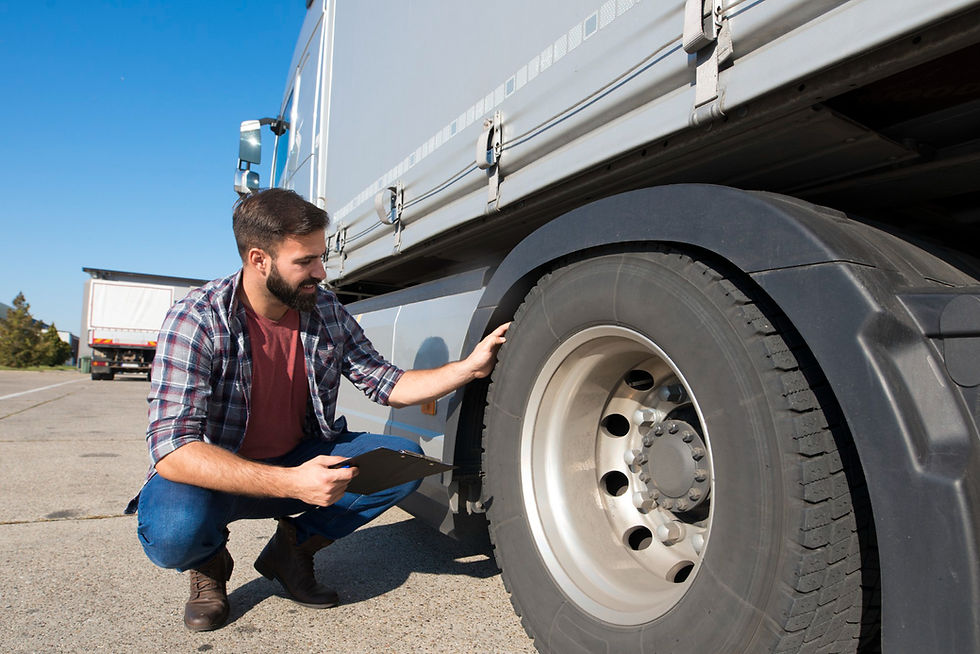
During a Maryland state vehicle inspection, we check more than just the tread in the middle of the tire. We look at:
Overall tread depth and any bald or thin spots
Sidewalls for cuts, bubbles, dry rot, and cracking
Uneven wear that might point to pressure, alignment, or suspension problems
Tire age codes and valve stem condition
High-speed-rated tires on luxury and exotic vehicles get extra attention, because they need to hold up at higher speeds and under stronger braking and cornering forces.
What Professional Inspectors See That Drivers Often Miss
Most drivers notice obvious squeaks, grinding, or a flat tire. Trained inspectors are looking for earlier warning signs that are easier to miss in everyday driving.
On the brake side, we often pick up on:
Fine cracks or heat-checking on the rotor face
Early signs of calipers sticking because of rust on the slide pins
Brake pedals that feel just a little too soft, which can point to moisture in the fluid
Rust building up on backing plates and parking brake parts that you never see
Humidity speeds up these small issues, especially on vehicles that sit or that deal with a lot of stop-and-go use.
On tires and wheels, we pay close attention to problem areas many people never look at, like the inner sidewall and bead area. We check for:
Bulges and belt separations that you may only feel at certain speeds
Inner-sidewall cuts on low-profile luxury tires that live near sharp curbs
Very uneven wear on electric vehicles that deliver strong instant torque
Wheel corrosion and pitting that can create slow air leaks at the rim
Different vehicle types have their own patterns. For example:
Performance and exotic cars often have large brakes and thin, expensive tires that show stress faster
Electric vehicles use regenerative braking, so rotors can rust more if friction brakes are used less
Dually trucks and trailers carry heavy loads, so small tire or brake issues matter more
Motorcycles and seasonal vehicles often sit for long stretches, which invites moisture and rust
Knowing these patterns helps us spot small humidity-related issues before they grow into safety problems or inspection failures.
Seven-Day Prep Plan Before Your Maryland State Inspection
You do not need to become a mechanic to get ready for a Maryland state vehicle inspection. A simple 7-day plan focused on brakes, tires, and moisture can make a big difference.
Days 1, 2: Start with basic checks and a short clean-up drive.
Do a slow walkaround and look closely at all four (or more) tires
Check for cracks, bulges, cords showing, or very uneven tread
Peek through the wheels at your rotors and look for heavy rust or deep grooves
Take a gentle drive and use the brakes several times to clear light surface rust
Pay attention to any pulling, vibration, or grinding you feel when you stop. Those are signs to get the brakes checked before inspection day.
Days 3, 5: Focus on the systems that humidity hits hardest.
Check tire pressures early in the morning while the tires are cold
Set pressures to your factory specs, keeping in mind they will rise as the day heats up
Recheck after a big weather or temperature change
Have a professional look at your brake fluid if it is dark or if you do not know when it was last changed, especially on vehicles that sit often, such as luxury or exotic cars and motorcycles
Days 6, 7: Tidy up the details and get a second set of eyes.
Arrange a quick pre-check at an inspection shop to catch borderline issues
Confirm that wipers, headlights, brake lights, and turn signals all work
Look for visible rust around wheels and underbody areas near the brakes and lines
Make sure your registration and any required documents are ready to go
A little focused attention during this week can help your vehicle handle Maryland humidity better, keep you safer in traffic, and be more prepared when it is time for your official check.
Keep Your Vehicle Legal and Safe on Maryland Roads
Schedule your Maryland state vehicle inspection with MD Inspections and avoid last-minute surprises at registration time. We provide thorough, efficient inspections so you can get back on the road with confidence. Our team is ready to answer your questions and find a convenient time that fits your schedule. Book your appointment today and let us help you stay compliant and safe.


Comments