Monsoon-Season Car Care for Maryland Drivers and State Inspection Prep

Stay Safe in Summer Storms and Ready for Inspection
Heavy summer rain in Maryland can change road conditions in seconds. One moment the pavement is dry, the next you are in a sheet of water with almost no visibility. These storms are hard on every part of your vehicle, from the tires on the Beltway to the wipers you rely on in a sudden downpour.
Monsoon-style rains are also when small problems turn into safety issues. Weak brakes, worn tires, dim lights, and streaky wipers are not just annoying; they are the same items that can keep your car from passing a Maryland state vehicle inspection. Storm season is a smart time to find these issues before they cause trouble on the road or during inspection.
At our shop in Suitland, we see how local weather exposes problems on daily drivers, luxury and exotic cars, EVs, motorcycles, dually trucks, and trailers. In this guide, we will walk through simple weather-focused checks, what inspectors pay close attention to, and how to protect both standard and high-end vehicles when the sky opens up.
Rain-Ready Tires and Brakes for Maryland Roads
Tires are your first line of defense when the water starts to pool on Route 5, the Beltway, or side streets through Prince George’s County. When tread is low, the tire cannot move water out of the way. That is when hydroplaning happens and the steering wheel feels light or unresponsive.
A quick driveway-tire check can help you spot problems early:
Look at tread depth with a penny. If you can see the top of Lincoln’s head, the tread is very low.
Scan the sidewalls for cracks, cuts, bulges, or cords showing.
Check for uneven wear that might signal alignment or suspension issues.
Confirm inflation with a gauge instead of guessing by eye.
These same items connect directly to Maryland state vehicle inspection standards. Inspectors look for enough tread, safe tire condition, and wheels that are not bent or damaged. If a tire is worn or has visible damage, it can lead to a failed inspection and a return visit after replacement.
Brakes work harder in wet weather too. Water on the rotors, plus stop-and-go in heavy traffic, can expose weak spots fast. Pay attention if you notice:
Squealing, grinding, or scraping sounds
The car pulling to one side when you brake
A soft or spongy pedal
Vibration or shaking in the steering wheel
Frequent wet and dry cycles can also encourage surface rust on brake parts. Left alone, that rust can affect braking power and inspection readiness. Having brake concerns checked before your Maryland state vehicle inspection helps avoid delays and extra trips.
See and Be Seen in Sudden Downpours
When rain comes down hard, good wipers are the only reason you can see the lane lines. Summer storms across Maryland reveal worn wiper blades right away. If you see streaks, missed spots, chattering, or hear loud squeaks, the rubber is likely worn or damaged.
Do a fast wiper and washer check before the next storm:
Lift each blade and look for cracks, tears, or missing chunks of rubber.
Run the wipers on a wet windshield and watch for streaks.
Make sure the washer nozzles spray evenly and hit the glass.
Top off washer fluid; plain water is not enough and can leave film behind.
Lights matter just as much for safety and inspection. In heavy rain and gray skies, other drivers rely on your headlights, brake lights, and turn signals to know what you are doing. Burned-out bulbs or foggy lenses can create real danger and are common reasons for Maryland state vehicle inspection failures.
You can test most lights at home:
Turn on headlights and parking lights, then walk around the vehicle.
Press the brake pedal and check for bright, even brake lights.
Use hazard lights and turn signals to verify all corners work.
Do not forget glass and mirrors. A clean, chip-free windshield makes lane changes safer when spray from trucks covers your view. Small chips can spread into longer cracks with temperature changes and bumps. If a crack grows into your main line of sight, it can affect both safety and inspection results.
Protecting Luxury, EV, and Unique Vehicles in Storms
Luxury and exotic vehicles face some special challenges in deep water. Many of these cars sit lower to the ground, so puddles that are fine for a crossover might be risky for a low sports car. High-performance tires sometimes favor dry grip over deep water control, which can change how they behave in heavy rain.
Practical steps for these vehicles include:
Avoid flooded routes and roads with known drainage issues.
Use covered or garage parking when strong storms are expected.
Have tires and alignment checked more often if the car is not driven daily.
EV and hybrid owners sometimes worry about rain, but modern EVs are built with wet weather in mind. That said, they still depend on the same basics: good tires, strong brakes, clear lights, and a solid underbody. It is wise to:
Keep charging equipment away from standing water.
Avoid using improvised extension cords outdoors.
Listen for new noises from under the vehicle after driving through deep water.
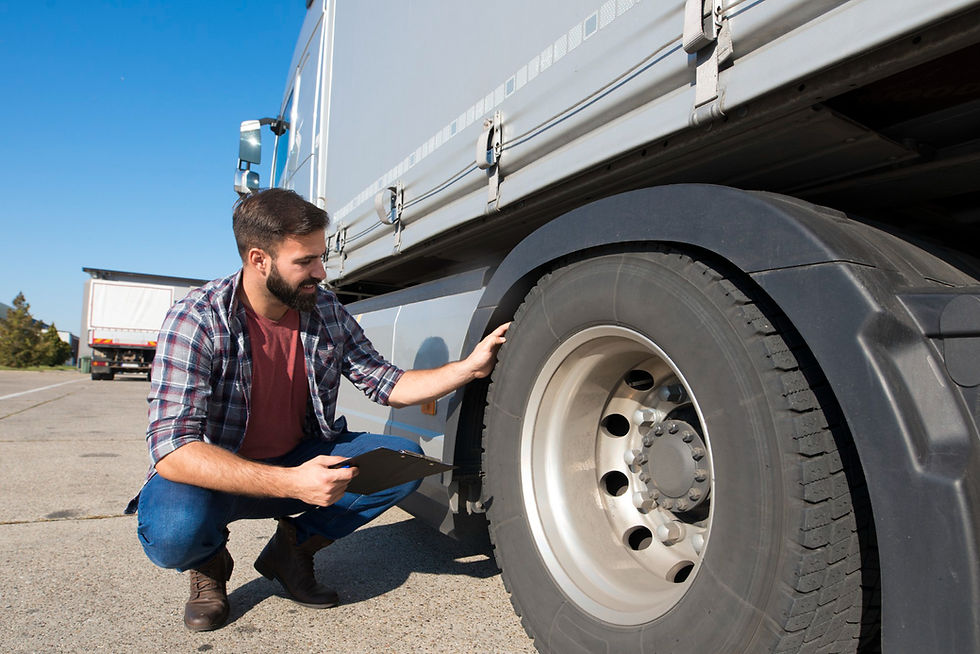
Motorcycles, dually trucks, and trailers bring their own set of concerns. Motorcycles have a much smaller contact patch with the road, so tread depth and tire condition are even more important in rain and crosswinds. Dually trucks and trailers can throw a lot of spray and are more affected by standing water and wind.
Before towing or heading out in wet weather, it helps to:
Confirm trailer lights and connectors work with every signal.
Check trailer tires for dry rot if the trailer sits between trips.
Make sure trailer brakes, if equipped, engage smoothly and evenly.
These checks not only keep you safer, they also line up with Maryland state vehicle inspection items for applicable vehicles and trailers.
Fast Weather Checks That Also Prep for Inspection
A short pre-storm routine can double as an inspection readiness check. Set aside 10 to 15 minutes and walk around your vehicle with a simple list in mind:
Tires: tread depth, sidewalls, inflation.
Lights: headlights, brake lights, turn signals, hazards.
Wipers and washer: blade condition and fluid level.
Underbody: look for fresh drips, hanging parts, or loose shields.
Under the hood: glance at coolant, oil, and brake fluid levels, without opening any pressurized caps when hot.
Many of the same areas show up during a Maryland state vehicle inspection, just in greater detail. Inspectors look at steering and suspension parts that can wear faster on pothole-filled, rain-damaged roads. Exhaust systems that rust and loosen from repeated wet conditions get attention too, since leaks can affect emissions and safety.
Some small fixes can be handled by many owners, like swapping wiper blades or replacing an easy-to-reach bulb. But anything related to braking, steering, suspension, charging systems, or inspections themselves is better left to trained professionals. That way, hidden issues are found before they turn into breakdowns, unsafe situations, or failed inspection attempts.
Schedule Storm Season Service and Inspection Today
When heavy rain is in the forecast, it helps to know your vehicle is ready for what the weather and the road will throw at it. A focused storm-season safety check, combined with a timely Maryland state vehicle inspection, keeps you ahead of problems instead of reacting in an emergency lane during a downpour.
In Suitland and the surrounding areas like Andrews AFB, District Heights, Forestville, and the rest of Prince George’s County, we work on a wide range of vehicles, from daily commuters and motorcycles to luxury, exotic, EV, and commercial-style vehicles. Steady, weather-aware maintenance now can mean fewer surprises, lower repair stress, and a smoother path through inspection all summer long.
Keep Your Vehicle Street Legal and Safe in Maryland
Staying compliant with state requirements is simple when you schedule your Maryland state vehicle inspection with MD Inspections. We provide thorough, efficient inspections so you can get back on the road with confidence. Our team explains what we find in clear terms and helps you understand any next steps. Schedule your appointment today and let us handle the details.


Comments