Maryland EV Road Trip Prep: Charging Etiquette, Heat Range Loss, Tire Safety

Make Your Maryland EV Road Trip Safer and Less Stressful
Planning an EV road trip feels different from driving a gas car. You are not just thinking about traffic and snacks; you are also thinking about where to charge, how hot weather will affect your range, and how that extra luggage will sit on your tires and brakes. A little planning before you pull out of your Suitland driveway can make the whole trip calmer and safer.
In this guide, we will walk through smart route planning, fast-charging etiquette, hot-weather range loss, tire and load safety, and which of these things do and do not connect to Maryland state inspection rules. As a certified Maryland State Inspection and full-service auto repair shop that works on EVs, luxury vehicles, trucks, trailers, and motorcycles, we care about helping you prepare before you hit the highway.
Smart EV Route Planning Across Maryland
For EV trips, you plan around chargers, not only destinations. Before you leave, open your favorite charging apps and map your stops along the main Maryland corridors like I-95, I-495, Route 50, I-270, and I-70. Filter for DC fast chargers so you know where you can get the quickest top-offs when you are heading to the beach, school drop-offs, or a weekend trip.
When planning, give yourself a buffer. Try to stop when your battery is around 20 to 25 percent, not when it is almost empty. This gives you room for:
Sudden traffic on the Beltway
Detours around work zones
A fast charger that is offline or already full
Maryland heat and traffic can pull your range down. High speeds, heavy cargo, running the AC hard, and stop-and-go between Suitland, Washington, and Baltimore can all eat into your battery. To stay relaxed, plan your legs as if you have 10 to 20 percent less range than the display shows, and pick at least one backup charger within 10 to 15 miles of each planned stop, especially on busy beach routes.
You can also do a few quick checks at home before you leave:
Set your battery charge limit if your car has a trip or max range mode
Update your in-car navigation and your charging apps
Test your portable charging cable so you are not surprised in a hotel or driveway
Confirm your payment methods are set in the apps you use
Even if you are not due for a Maryland state inspection, having a local shop look over your tires, brakes, and fluids on your EV or plug-in hybrid before a long trip is a smart move.
Fast-Charging Etiquette That Keeps Everyone Moving
Fast-charging works differently than filling a gas tank. Most DC fast chargers add energy quickly when your battery is low and slow down as you get closer to full. Past roughly 80 percent, the speed often drops a lot. For road trips, it is usually better to charge to your planned level and then move, instead of waiting for 100 percent.
To keep things smooth at busy Maryland stations, try these habits:
Set a timer or app alert when you plug in
Move your car as soon as charging is done or your target level is reached
Do not sit in a stall if you are not plugged in
At crowded sites near malls and travel plazas, form a clear line and avoid cutting in front of others who were waiting. If you are using an adapter, whether you drive a Tesla or a different brand, park so the cable does not have to stretch across another stall or walkway. This reduces tripping hazards and wear on the cables.
Safety at public chargers matters too, especially at night. Choose well-lit locations, lock your doors while you wait, keep valuables out of sight, and stay aware of what is going on around you. It also helps to glance at the plug and cable before use. If they look damaged, move to another unit and report the issue. During regular service visits, a shop can check your charge-port door area and other spots that see strain from daily charging.
Hot-Weather Range Loss, Battery Safety, and EV Weight
Maryland summers can be hot and humid, and that heat hits EVs in two ways. Your battery has to keep itself in a safe temperature range, and your AC is working hard to keep the cabin cool. On top of that, if your car is fully loaded with people, luggage, or cargo, it will use more energy to move. Many drivers see their usable range drop, sometimes by a noticeable amount, on long hot-weather trips.
Plan for less range when:
The weather is very hot
You are using AC a lot
The car is packed with gear or towing a trailer
You are driving at higher highway speeds
A few habits can help stretch your battery. Pre-cool the cabin while the car is still plugged in at home or at a Level 2 charger so the battery does not have to support that first big AC blast. On the road, use Eco or similar modes if your car has them, keep highway speeds moderate, and only use extra comfort features when you really need them.
Before a trip, pay attention to any warning lights or error messages related to the battery or cooling system. Those should be checked by a professional before you commit to a long drive. A typical Maryland state inspection does not include a deep EV battery diagnostic, so it is smart to ask a shop that understands EVs to run system checks and software scans as part of pre-trip service, especially for older EVs or cars that rack up a lot of commuter miles.
EVs also tend to be heavier than similar gas cars because of the battery pack. That extra weight affects braking distance, suspension parts, and tire wear, especially when the car is filled with people and luggage.
Load, Tires, Brakes, and Maryland State Inspection Overlap
Your vehicle has a limit for how much weight it can safely carry. You can find numbers like Gross Vehicle Weight Rating and maximum cargo and passenger limits on the label on the driver-side door jamb and in the owner’s manual. Staying under those limits helps your tires, brakes, and suspension do their job, especially on long highway drives.
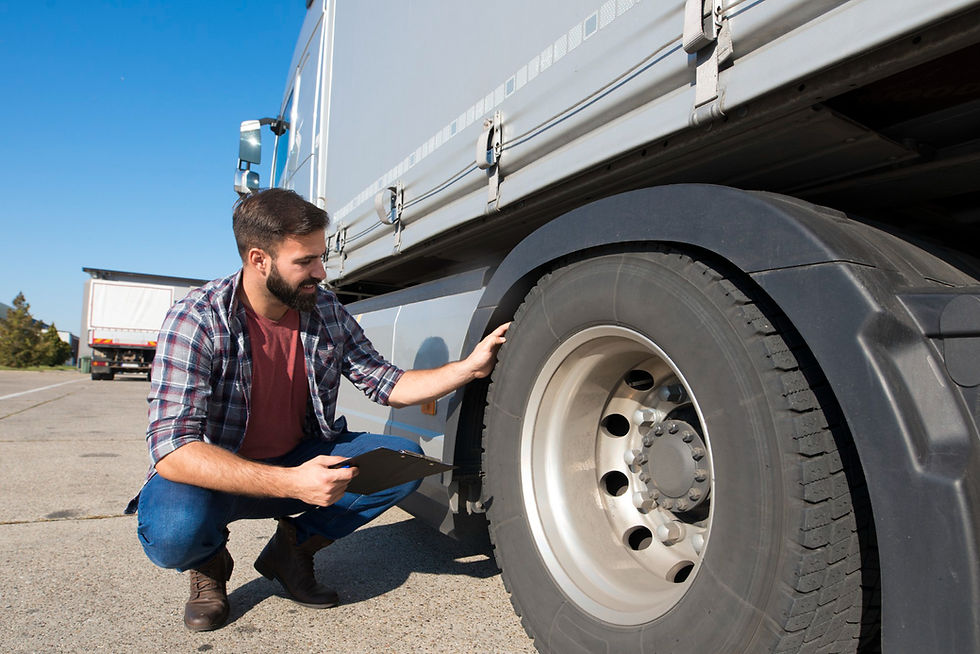
Tire pressure is one of the biggest safety factors for road trips. Check and adjust pressure when the tires are cold, usually first thing in the morning, before driving. Use the pressure listed on the door jamb, not the number on the tire sidewall, which is usually a maximum rating. Slightly low pressure can make tires run hot, wear faster, and feel squishy at highway speeds. Too much pressure can reduce grip and ride comfort.
Maryland state inspection, when required for titling or ownership transfer, does include checks that matter a lot for trips, such as:
Tire tread depth and sidewall condition
Brake components and basic performance
Steering and suspension play
Lights, wipers, and basic safety items
However, inspection does not fine-tune tire pressures for a heavy trip or adjust your setup based on how you plan to load the car. It is a safety snapshot, not a custom trip setup. For EVs and hybrids, regular tire evaluations, rotations, balancing, and brake inspections outside of that one-time inspection help keep the vehicle ready for long, hot drives.
What Road-Trip Prep Overlaps with Maryland State Inspection
When an EV or hybrid goes through a Maryland state inspection, many of the same safety systems checked on gas vehicles are reviewed. Brakes, tires, steering, suspension, lights, and wipers all get attention. There is no traditional emissions test in the same way as some gas cars, but the core safety systems that keep you in control on the highway are still covered.
There are also parts of trip prep that sit outside any inspection. Maryland state inspection does not:
Plan your charging stops or range strategy
Check your charging cables, adapters, and payment apps
Set your tire pressure for a fully loaded vacation or move-in day
Review your navigation setup or software settings for EV features
If you are buying a used EV or putting a new-to-you vehicle on the road, it can be smart to pair your required Maryland state inspection with a broader safety and EV health review. That way, you handle what the state requires and also catch items that could affect a long trip, like tire condition under EV weight, brake wear, cooling system needs, and any warning messages hidden in the car’s systems.
By planning routes around reliable fast chargers, using good charging etiquette, allowing for hot-weather range loss, setting proper tire load and pressure, and understanding what Maryland state inspection does and does not cover, you make your EV road trips across Maryland a lot calmer and safer.
Schedule Your EV State Inspection With Confidence Today
If you are ready to make sure your electric vehicle is safe and fully compliant, we are here to help at MD Inspections. Schedule your EV state inspection in Suitland, MD and let our experienced team guide you through every step. We provide thorough, efficient inspections so you can get back on the road with peace of mind and no surprises. Reach out today to book an appointment that fits your schedule and your needs.

Comments