Common Maryland State Vehicle Inspection Myths for Suitland Drivers

Stop Letting Inspection Myths Cost You Time and Money
Maryland state vehicle inspection confuses a lot of Suitland drivers. Friends share stories, social media spreads half-true tips, and old rules get passed around like they still apply. By the time you are ready to title or buy a car, it can feel like everyone has a different answer about what really happens during inspection.
Those myths can cost you time, money, and peace of mind. They can lead to failed inspections, surprise repairs, and extra trips you could have avoided with the right prep. We want to clear up some of the biggest myths we hear from Suitland and Prince George’s County drivers so you know what to expect and how to get your vehicle ready.
Maryland Inspection Is More Than a Quick Glance
One common myth is that Maryland state vehicle inspection is just a simple look around the car. In reality, it is a one-time safety process required when a vehicle is first titled in Maryland or sold. It is not a five-minute walk-around. It is a detailed check meant to keep unsafe vehicles off the road.
During inspection, many systems are checked, including things like:
• Brakes and brake lines
• Steering and suspension components
• Tires and wheels
• Lights, signals, and reflectors
• Exhaust and emissions-related parts
• Horn, mirrors, seat belts, and other safety items
Each of these areas matters, especially for Suitland drivers who spend a lot of time on busy routes into Washington, DC. Worn brakes or thin tires that might feel “okay” on a slow side street can become a real problem in stop-and-go traffic or during sudden highway stops. The inspection is set up to catch those issues before they turn into something worse.
When you understand that the inspection is designed around safety, not speed, it makes more sense why it takes time and why the checklist is so detailed.
Running Fine Does Not Always Mean Passing
Another myth is that if the car starts, runs, and feels “normal,” it will pass without any trouble. A vehicle can run smoothly and still have safety problems that cause a fail.
Some common hidden issues include:
• Bald or uneven tires that do not grip well
• A cracked windshield in the driver’s line of sight
• Worn brake pads that are too thin
• Burned out headlights, brake lights, or turn signals
• Rusted brake or fuel lines
These are the kinds of things drivers in Suitland might overlook in daily use, especially if the car has not given them any big scares yet. A quick pre-check before you book your Maryland state vehicle inspection can save headaches. At home, you can:
• Turn on all lights and blinkers and walk around the vehicle
• Look at tire tread and sidewalls for deep cracks or cords showing
• Check wiper blades for streaking or tearing
• Look under the car for obvious fluid spots where you park
• Make note of any dashboard warning lights that stay on
If something seems off, it is usually better to have it checked and repaired before inspection so you are not stuck coming back again. Having a shop inspect, diagnose, and repair issues around the same time as your inspection can help cut down on repeat visits, especially during busy winter and early spring months when many people rush to get their paperwork finished.
Luxury, Exotic, and EVs Still Have to Meet the Same Standards
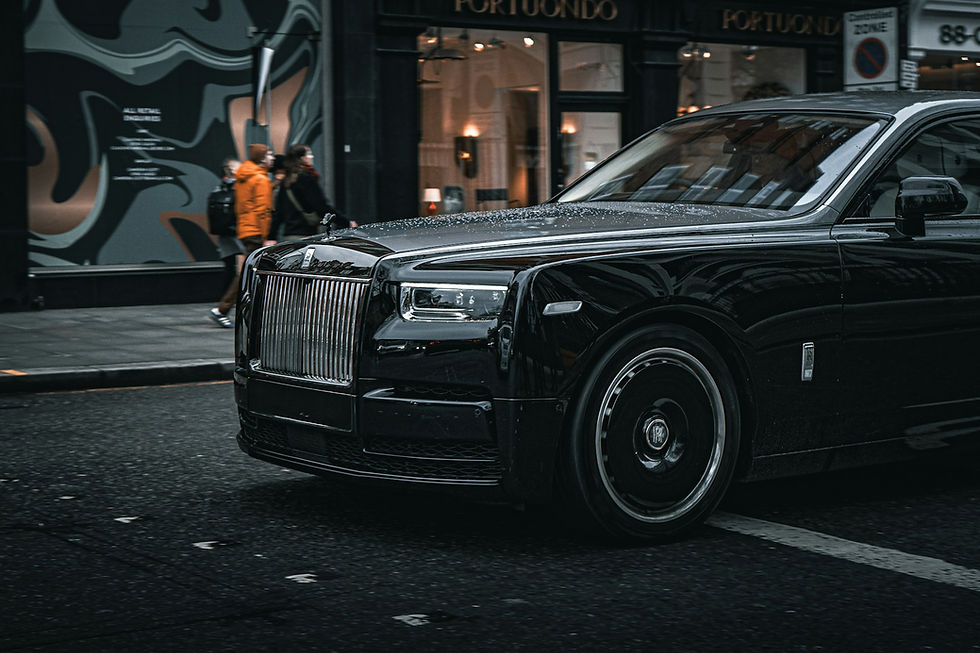
There is also a myth that high-end or modern vehicles can “skip the line” or do not need the same level of attention. The truth is that all vehicles must meet the same state safety standards, whether it is a daily driver, a luxury SUV, an exotic sports car, or an electric vehicle.
What does change is how those systems look and work. Luxury and exotic vehicles often have:
• Performance brake setups
• Air or adjustable suspension systems
• Wider, low-profile tires and special wheels
Electric and hybrid vehicles add things like high-voltage battery systems and unique drivetrains. For these vehicles, inspection still focuses on brakes, suspension, tires, steering, lights, and safety items. But it helps to have technicians who understand how these modern systems behave so the inspection process is smooth and accurate.
Drivers in the Suitland area with brands like Porsche or BMW sometimes think they must go to the dealership for everything, including Maryland state vehicle inspection. In many cases, a certified independent shop that understands luxury, exotic, and EV models can handle both the inspection and many of the repairs you might need, while still following the same state rules as anyone else.
Season Myths: Inspections Aren't Stricter in Winter
A lot of people delay inspection because they have heard that standards are stricter when it is cold. That is not how it works. The state rules and pass or fail criteria stay the same all year. Winter does not change the law.
What winter and late winter do is reveal problems that were already there:
• Potholes can make worn suspension parts clunk or loosen faster
• Road salt can expose weak exhaust or brake lines
• Cold mornings can bring battery problems to light
• Snow, rain, and fog can show you how bad old wipers or weak defrosters really are
For Suitland drivers, that means if you are planning inspection in colder months, take a few extra minutes to pay attention to how your vehicle starts, steers, and stops on rough or wet roads. Simple checks like making sure the defroster can clear the windshield, the heater fan blows well, and the tires are not worn smooth can help you feel more confident on inspection day.
These tips are helpful year-round, but they stand out more when the weather is rough and the roads are less forgiving.
Shops do Not Make the Rules, but They Should Explain Them
One more big myth is that shops fail cars just to sell more repairs. We understand why people feel this way. If you have ever had a bad experience somewhere else or did not get a clear explanation, it is easy to be skeptical.
Certified inspectors have to follow the state checklist. They do not get to change the standards or look the other way on items that affect safety. What a good shop should do is separate what is required to pass from things that are simply smart maintenance.
For example:
• Brake pads that are below the state limit must be replaced, no gray area
• Tires that measure below legal tread depth must be replaced
• A small exhaust leak may or may not be a fail, depending on where it is and how bad it is
A trustworthy shop will show you the worn pads, measure the tire tread in front of you, or point out a crack or leak while the vehicle is on the lift. That way you are not just hearing it from a piece of paper, you can see the condition yourself. Clear communication helps you understand what has to be done to pass and what can be planned for a later date.
Get Inspection Ready with a Trusted Suitland Partner
When you strip away the myths, a clear picture appears. Maryland state vehicle inspection is a one-time, safety-focused process, not a quick glance. The rules are the same all year, and they apply to every vehicle on the road, from daily commuters to luxury cars, exotics, electric vehicles, motorcycles, trucks, and trailers. A car that feels fine can still fail on tires, brakes, lights, or other safety items, which is why a simple pre-check at home can be so helpful.
At MD Inspections in Suitland, we follow current Maryland regulations and work directly with drivers across Prince George’s County and the Washington, DC metro area to help them understand what their vehicles need. By clearing up these common myths, our goal is to make your inspection experience clear, honest, and as stress-free as possible so you can get back on the road with confidence.
Get Your Vehicle Road-Ready With Confidence
If you are ready to complete your required Maryland state vehicle inspection, we can help you get it done quickly and correctly. At MD Inspections, we walk you through what to expect so there are no surprises on inspection day. Schedule your appointment with our team so you can stay compliant and drive with peace of mind.


Comments