Post-Storm Car Damage Triage in Maryland: Fix Now vs. Wait

Post-Storm Damage Decisions That Protect Your Safety
Summer storms in Maryland can move in fast and leave a mess behind. One minute you are driving home on Suitland Parkway, the next you are dealing with flooded lanes, surprise potholes, and branches scattered across the road. Your car might feel fine at first, but hidden damage can show up later in your lights, brakes, tires, or suspension.
A quick check after a storm helps protect your safety and can keep small problems from turning into major repairs. It also helps you stay ready for a Maryland state inspection in Suitland, MD, so you are not surprised by a failure for something that could have been fixed early. In this guide, we walk through what to look for after bad weather, which problems mean you should stop driving, what can wait a short time, and which issues will fail inspection.
At MD Inspections, we handle certified Maryland state inspections and full-service auto repair for everyday drivers, motorcycles, electric vehicles, luxury cars, and heavy-duty trucks and trailers. All of them can suffer storm-related damage, and the same clear triage steps can help you decide what to do next.
Fast Post-Storm Walkaround Checks Every Driver Can Do
Before you look over your vehicle, make sure you are safe. Park on level ground away from standing water and broken trees. Set the parking brake, put the car in park, and use your hazard lights if visibility is low. Avoid standing under damaged branches or near downed power lines.
Do a slow walkaround and look for anything that seems new or out of place after the storm. Focus on these common exterior signs of damage:
Cracked or shattered headlights, taillights, or turn signal lenses
Loose or hanging bumpers and wheel well liners
Bent wheels, fresh curb rash, or deep scrapes on your rims
Bulges or bubbles on tire sidewalls, or cuts and chunks missing
Fresh scrapes or dents on the body from branches or flying debris
Puddles or drips of oil, coolant, or other fluids under the car
After the walkaround, check the cabin and (only if it is safe to do so) take a quick look under the hood. You are mainly watching for new moisture, warning indicators, and visibility problems that can affect safe driving right away:
Damp or fogged interior glass that was not there before
Wet carpet, seats, or a soaked trunk floor
Warning lights on the dash, especially brake, ABS, or airbag lights
Wipers that are loose, torn, or no longer sweep the glass clean
Once you have a sense of what changed after the storm, sort what you found into two buckets: items to monitor and schedule soon, and items that mean you should stop driving and contact a shop. Monitor-and-schedule issues include small body dents, light wheel scuffs, and minor interior dampness that dries quickly. Stop-driving issues include large fluid puddles, heavy tire damage, broken or missing light lenses, wipers that are torn or falling apart, and strong burning or fuel smells. If you are not sure which category something belongs in, it is safer to treat the issue as urgent until a professional checks it.
Lights and Visibility Issues That Can Fail Inspection
Storms can be rough on your lighting and visibility systems. Falling branches can crack lenses, floodwater can short bulbs and sockets, and strong winds can stress your wiper arms and blades. Hail or road debris can leave pits and cracks across your windshield.
For a Maryland state inspection in Suitland, MD, certain light and visibility issues are automatic failures, including:
Headlights, brake lights, or turn signals that do not work
Broken or missing lenses on required exterior lights
Wrong color or mismatched bulbs in headlights or turn signals
A cracked or damaged windshield in the driver’s main field of view
Wipers that do not clear the glass properly or leave big streaks
After a storm, prioritize these problems based on how quickly they affect your ability to see and be seen. Issues that should not wait include any non-working headlight, taillight, brake light, or turn signal; a major windshield crack or star directly in front of your eyes; wipers that smear, skip, or miss large areas of the windshield; and a damaged high-mount brake light on the rear of the vehicle. Some items can wait briefly but should still be scheduled soon, such as small chips or pits outside the main viewing area, mild headlight fogging that still allows good light output, and wipers that are starting to streak in light rain but still work fairly well.
In Prince George’s County traffic and on higher-speed roads like Suitland Parkway and the Beltway, a burned-out light or cracked windshield is not just annoying. It reduces your visibility, makes it harder for others to see you, and can lead to a ticket plus an inspection failure later.
Storm Damage to Tires, Brakes, and Suspension
Flooded streets can hide deep potholes and sharp debris. Sudden hard braking on slick roads can also stress your brakes and suspension. Even if you did not feel a hard hit, your tires, wheels, and undercarriage might have taken a blow.
Tire and wheel red flags include:
Bulges or bubbles in the sidewall after a pothole impact
Cuts, gouges, or exposed cords on the tire
Bent or cracked rims, or a tire that will no longer hold air
New vibration or a pull in the steering wheel at highway speeds
Brake warning signs after a storm include:
Longer stopping distance or needing to press harder on the pedal
Grinding, squealing, or scraping noises when you brake
A soft or spongy pedal after driving through deep water
ABS or brake warning lights that turn on after a panic stop
Suspension and steering concerns can show up as:
New clunks or knocks when you go over bumps
The vehicle pulling to one side on a straight road
A steering wheel that now sits off-center when driving straight
The front end diving too hard when braking, or the car leaning to one corner
To prioritize what you are feeling, treat certain symptoms as immediate, do-not-ignore safety concerns. These include any tire bulge or bubble or visible tire cords; a strong steering pull or struggle to keep the car straight; brake or ABS warning lights or a very soft pedal; and heavy vibration that makes the steering wheel shake. Some symptoms can wait a short time but should still be checked, such as a mild off-center steering wheel, light steady vibration at certain speeds, or light brake noise without warning lights.
For any of these signs, a certified facility that performs Maryland state inspections and repairs can inspect tires, brakes, and suspension to confirm what is safe to drive and what needs repair.
Windshield, Electronics, and Advanced Vehicle Concerns
Windshield damage is common after rough storms. Branches, rocks, and hail can leave chips and cracks that spread over time. Large cracks, growing chips, or damage right in front of the driver’s eyes can cause a Maryland state inspection failure and also make night and rain driving harder and more dangerous.
Modern vehicles, including many luxury models and EVs, rely on electronic systems that can be sensitive to water intrusion and power surges. After a bad storm, some drivers notice issues with:
Parking sensors that beep constantly or not at all
Lane-keeping or collision avoidance cameras that give errors
Adaptive headlights that stop turning or leveling properly
Power liftgates and doors that stop working smoothly
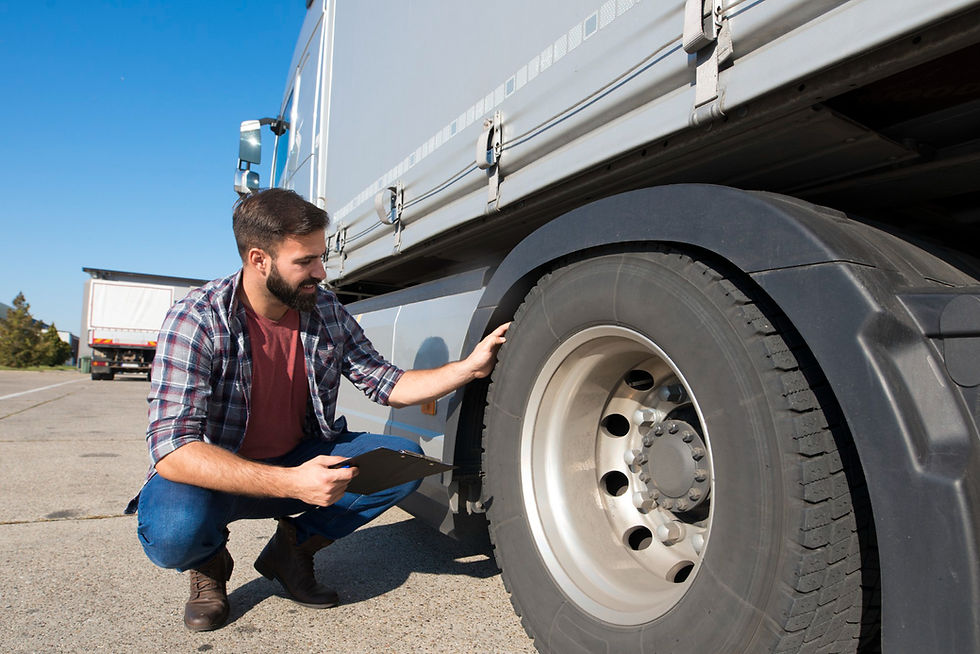
Different vehicle types also have special concerns that are worth keeping in mind. Luxury and high-performance cars often run low-profile tires and large alloy wheels, which are more likely to bend or suffer sidewall damage from potholes; air suspension systems can also be stressed by impacts, and high-performance brake parts can wear faster after repeated hard stops on wet roads. EVs and plug-in hybrids may have charging ports affected by water, underbody battery shields struck by debris in deep water, and electronic brake-by-wire systems that can behave differently after emergency stops or warning light events. Heavy-duty trucks and trailers can face storm-shifted cargo that stresses axles and suspension, trailer axles that bend after deep potholes, and torn or pinched harnesses for trailer lights and brake lines, which is very important for inspection.
Prioritize these as do-not-delay issues: glass damage in the driver’s view, any ADAS or camera fault, air suspension warning lights, and any EV battery or charging system warning. These all call for a shop that is comfortable working with advanced, specialty, and heavy-duty vehicles, as well as regular daily drivers.
When to Call MD Inspections After a Storm
Some warning signs mean you should stop driving and get professional help as soon as you can. These include:
A strong steering pull or difficulty keeping the vehicle straight
A visible tire bulge, large cut, or fast air loss
A major windshield crack or starred area in your main view
Brake, ABS, or other critical warning lights that stay on
Severe vibration, clunks, or knocking that feels worse at speed
Standing water inside the cabin or trunk that will not drain or dry
MD Inspections in Suitland, MD, can perform full post-storm safety checks, certified Maryland state inspection services, and repairs for daily drivers, motorcycles, luxury vehicles, EVs, and heavy-duty trucks and trailers. With our local weather, quick visual checks after strong storms are a smart habit, especially before long trips or regular commuting on major routes in Prince George’s County. Keeping a simple storm triage checklist in your glovebox can make those checks faster, clearer, and a lot less stressful.
Schedule Your Reliable Inspection With Local Experts Today
If you need a thorough and efficient Maryland state inspection in Suitland, MD, we are ready to help you get on the road with confidence. At MD Inspections, we focus on clear communication, fair assessments, and quick turnaround so your vehicle meets all required standards without hassle. Reach out today to book your appointment and let our experienced team guide you through every step of the inspection process.


Comments