Late-Summer Brake and Tire Wear in Maryland: Quick Self-Check Before Inspection

Late-Summer Miles, Fall Rains, and Your Stopping Power
Long, hot Maryland summers are tough on brakes and tires. By late August, many cars have gone through heavy Beltway traffic, beach runs, and unexpected storms, and all of that adds up. Stopping distance can grow slowly over time, so it is easy to miss the change until the first big fall rain hits.
This is the stretch of the year when tread depth, brake pad health, and brake fluid condition can cross from “okay” to “not safe.” That becomes a real problem when school traffic returns and the roads get slick again. Parts that still passed a Maryland state vehicle inspection earlier in the year may be worn down by the end of summer, even if the car still “feels fine.”
How Summer Heat and Humidity Change Tire Wear
Hot pavement and long drives on I-95 or the Beltway heat up your tires. As temperature goes up, air inside the tire expands, and pressure rises. Higher pressure can wear out the center of the tread faster, while low pressure chews up the shoulders.
By late summer, we often see:
Shoulder wear from running tires underinflated
Center wear from overinflated tires after long highway trips
Cupping or scalloped tread if shocks, struts, or alignment are worn
Dry cracking in older tires baked by heat and sun
Maryland humidity and heavy late-summer storms add another problem. When tread depth is low, water does not clear out from under the tire as well. That raises your risk of hydroplaning, where the tire rides on top of water instead of gripping the road. The legal minimum tread depth may still technically pass, but for wet stopping, most drivers are safer with deeper tread than the bare minimum.
Different vehicles see different summer wear patterns:
EVs are heavy and have instant torque, which can eat through tread faster on hot pavement, especially if you enjoy quick launches.
Trucks, SUVs, and trailers carry more weight, and towing puts extra load on the rear tires and edges, often causing uneven wear if rotations are skipped.
Luxury and performance vehicles with low-profile, high-performance tires can wear quickly in heat and are more sensitive to small changes in pressure or alignment.
By the time cooler weather and stronger rains arrive, late-summer wear can turn into slipping, longer stops, and a higher chance of failing a Maryland state vehicle inspection.
Brake Pads, Rotor Hot Spots, and Glazing After Road Trips
Summer driving is hard on brakes. Repeated heavy stops in Beltway traffic, long downhill stretches on trips, or stop-and-go city driving all build heat in pads and rotors. When brakes get too hot, you can end up with rotor hot spots and glazed pads.
Common signs include:
Steering wheel shake or vibration when braking
A pulsing brake pedal at highway speeds
Squeaks or grinding sounds from the wheels
A harder, less responsive pedal feel than you are used to
Glazing happens when the surface of the brake pad overheats and turns smooth and shiny. Even if the pad still has some thickness, that glassy surface does not grip the rotor well. Light glazing can sometimes be corrected, but pads that are very hard, cracked, or worn thin are a safety issue and can be a problem during a Maryland state vehicle inspection.
Each vehicle type handles brake heat a little differently:
EVs often use regenerative braking, so friction brakes may see less use day to day. But on long downhill drives, aggressive driving, or in emergencies, those pads and rotors can suddenly work very hard and overheat if they have not been serviced in a while.
Luxury and performance cars often have bigger or sport brakes that can run hotter during spirited driving. High-speed stops can create uneven pad deposits and hot spots on rotors faster than many drivers expect.
Trucks and vehicles towing trailers deal with more weight. Braking with a load on a hot day can push rotor temperatures up quickly and may lead to warping or early pad wear.
The Quiet Threat: Brake Fluid, Humidity, and Corrosion
Brake fluid does more than people think. It transfers your foot pressure from the pedal to the calipers at each wheel. That fluid is hygroscopic, which means it absorbs moisture from the air. In humid Maryland weather, that process adds up over time.
As moisture builds in the fluid, the boiling point drops. Under hard braking, that trapped water can turn to vapor, which compresses more than liquid. The result can be:
A spongy or soft brake pedal
A pedal that sinks lower than normal in a panic stop
Longer stopping distance during repeated or downhill braking
Moisture in brake fluid can also start slow, hidden corrosion inside brake lines, ABS parts, and calipers. From the outside, your pads and rotors may look fine, but inside, metal parts can be rusting. Fresh-looking fluid is not a guarantee either, because color alone does not show age or moisture level.
Most makers recommend changing brake fluid every few years, or based on time and mileage. With our mix of heat and humidity, staying closer to the shorter interval helps keep the system healthy and ready for both daily driving and state inspection checks.
Five-Minute End-of-Summer Brake and Tire Self-Check
A quick driveway check is not a full inspection, but it can tell you when it is time to let a pro take a closer look.
For tires:
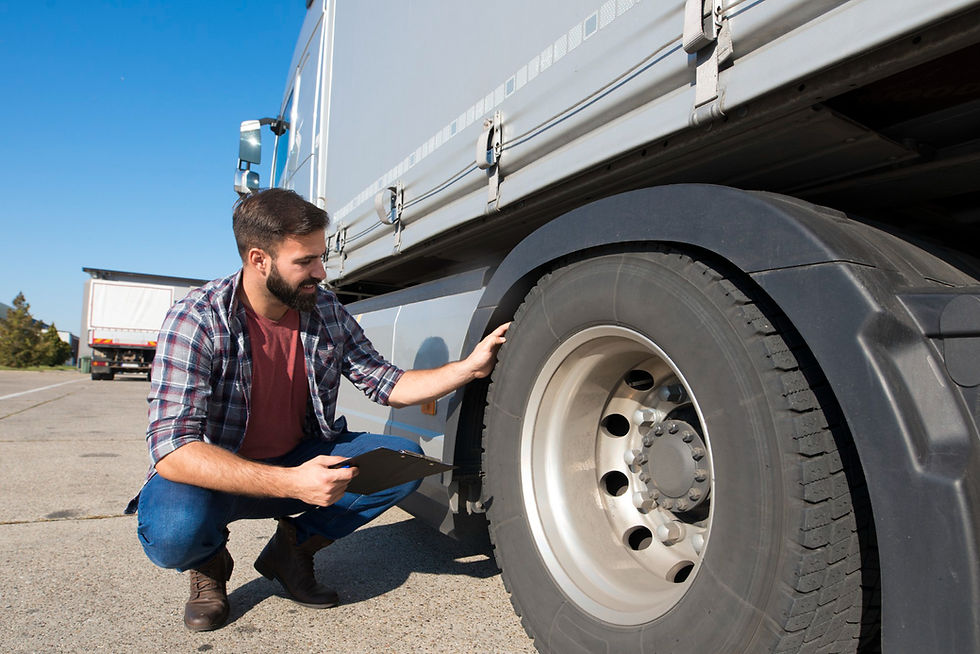
Use a tread-depth gauge or a penny across several spots. Compare the inner edge, outer edge, and center on each tire.
Look for uneven patches, flat spots, or feathering that may point to alignment or suspension issues.
Check sidewalls for bubbles, deep cuts, cords showing, or dry cracking. Any of these signs mean you should not delay service or long trips.
For brakes, find an empty lot and do a simple feel and sound test:
From low speed, make a few normal to firm stops. Notice any pulling to one side, vibration, or scraping sounds.
Listen for squealing or grinding that repeats each wheel turn.
With the engine on, press and hold the brake pedal. It should feel firm and stay at the same height, not slowly sink or need pumping to feel solid.
You should plan professional service soon if:
Tread is near or below about 3/32 of an inch, or you see cords, cracks, or bulges
You feel shaking, pulsing, or pulling while braking
You hear grinding or sharp metallic noises from the wheels
The pedal feels soft, spongy, or slowly drops under steady pressure
A good habit is to get a complete brake and tire check around late summer, before heavier fall rains, school traffic, and any upcoming Maryland state vehicle inspection deadline. Catching issues at this stage helps keep you safer and usually avoids larger repairs later.
Get Fall-Ready Brakes and Tires Before Your Next Inspection
Late summer is a smart time to look at the whole braking system, including pads, rotors, and fluid, along with your tires. Heat, long trips, humidity, and sudden storms all speed up wear in ways many drivers do not notice day to day. By checking now, you give yourself a better shot at safer fall driving and a smoother Maryland state vehicle inspection.
At MD Inspections in Suitland, we work with everyday cars, EVs, luxury vehicles, motorcycles, trucks, and trailers, so we see how each type reacts to Maryland summers. A quick driveway self-check is a great start, but it is not the final word on safety. Professional measurements, road testing, and an experienced eye can spot things early, so your vehicle is ready for the miles and weather ahead.
Schedule Your Maryland Inspection With Confidence Today
If your vehicle is due for its state inspection, we are ready to help you get it done quickly and correctly. At MD Inspections, our certified technicians follow every regulation so your car is compliant and safe to drive. Learn more about our Maryland state vehicle inspection process and set up an appointment that fits your schedule. Let us handle the details so you can get back on the road with peace of mind.


Comments