Maryland State Inspection for Luxury Cars: Costs, Parts, and Avoiding Upsells

What Maryland Luxury Owners Need to Know First
A Maryland state inspection for luxury cars is a one-time safety and equipment check that happens when you first title or register a vehicle in the state, or when a car is sold in Maryland. It is not an emissions test, and it is not an open-ended search for things to fix. The goal is simple: make sure your car is safe, legal, and ready for Maryland roads.
If you own a BMW, Mercedes-Benz, Porsche, Tesla, or an exotic or performance car, you probably have a few worries. You might worry about someone scratching wheels, scraping a splitter, or breaking a sensor. You might feel like the dealer is the only safe place for service. You might also worry about being pushed into repairs you are not sure you really need.
Those are real concerns. A proper Maryland state inspection for luxury cars should respect the way high-end vehicles are built, while still following state rules. Shops that work with luxury and exotic platforms on a regular basis tend to understand things like air suspension, carbon brakes, and low ride heights, and they know clear communication matters more than scare tactics.
Spring is also a common time for buying and selling luxury vehicles around the Washington, D.C., metro area. As the weather turns nicer, more people pull their cars out of storage, upgrade to something new, or bring in out-of-state rides. Getting an honest, thorough inspection before you enjoy warm-weather driving can make the season much less stressful.
How Maryland State Inspection Works for Luxury Cars
Maryland usually requires a state inspection when:
You buy a used vehicle that is being titled in Maryland
You bring a vehicle in from another state and register it in Maryland
A vehicle is being retitled within the state
Once the inspection is done and the car passes, you typically do not repeat it as long as ownership and registration stay current.
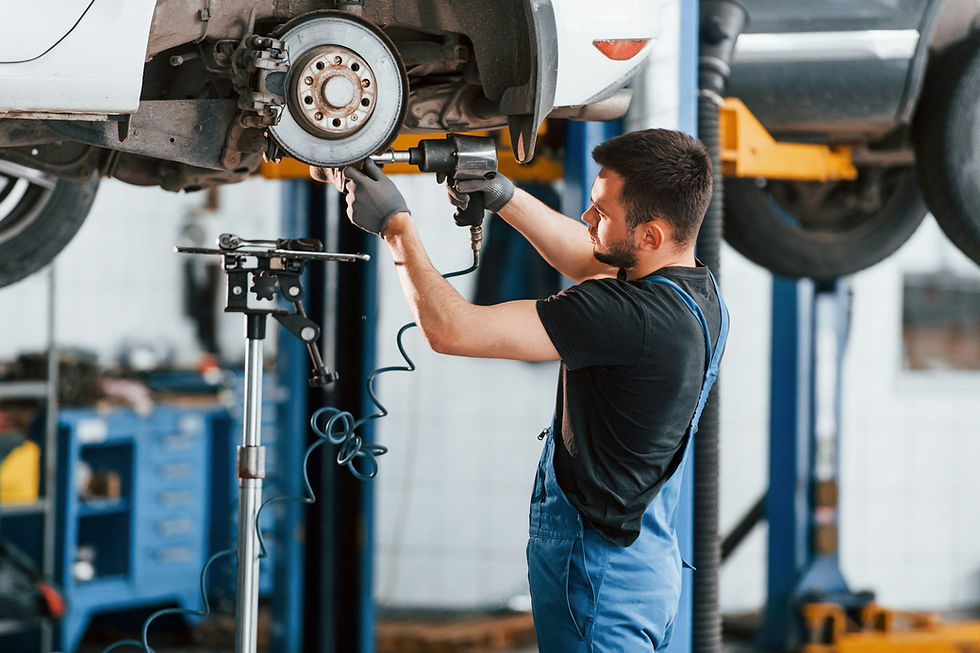
The inspection covers a long list of safety-related systems, including:
Brakes and rotors, including big brake kits and performance setups
Suspension and steering, such as air suspension and adaptive dampers
Tires and wheels, including low-profile and staggered wheels
Lights and signals, plus electronic safety features
Glass, mirrors, wipers, exhaust, and underbody components
For luxury and exotic vehicles, there are a few extra layers. Cars may have parking sensors, cameras, and advanced driver-assist systems. Some have carbon-ceramic brakes, active spoilers, or adjustable air ride. Inspectors are looking for safe operation and legal equipment, not minor cosmetic flaws. A scuffed wheel is different from a cracked wheel, and a faded button label is different from a warning light that stays on.
Body kits, wide wheels, and lowered suspensions bring their own challenges in the bay. A shop that understands these cars will take extra care getting your car on the lift, watching for low splitters, side skirts, large diffusers, and carefully positioned jacking points. The goal is to protect your hardware while still doing a complete and legal inspection.
A proper Maryland state inspection for luxury cars balances strict state safety rules with an understanding of how engineers designed these vehicles to perform. That balance is what lets you leave with both a passed inspection and your car in the same clean shape it arrived.
Real Cost Drivers for Maryland Luxury Inspections
The inspection fee itself is regulated, so the real cost swings usually show up if your car fails in one or more areas. Luxury vehicles often use parts that are more complex or brand-specific, and that is where owners feel the pain.
Common cost drivers include:
Specialized brake parts, such as large or carbon-ceramic rotors and electronic pad sensors
Run-flat or high-performance tires that must match specific speed and load ratings
Complex suspension pieces, like air struts, adaptive shocks, and unique control arms
HID or LED headlamps and control modules that manage lighting and safety items
Luxury engine bays are often tightly packaged, which can increase labor time. Certain brands also require special tools and procedures for basic tasks. These are the kinds of details that can turn what looks like a small issue into a bigger bill.
Minor wear also feels different on high-end platforms. For example, once brake pads reach the minimum thickness, you may have to replace pads, rotors, and sensors as a set to keep everything working as designed. A slight air suspension leak might be a watch item, or it might be bad enough that the car will not stay level, which can lead to a fail.
When a shop understands your brand and model, it can often sort true safety concerns from items to keep an eye on. Knowing the real cost drivers involved in a Maryland state inspection for luxury cars helps you budget and avoids surprise invoices, especially around spring when many owners refresh or upgrade vehicles.
OEM Vs Aftermarket Parts for Passing Inspection
When a repair is needed, the next big decision is parts. For luxury brands, you will usually hear three options: OEM, high-quality aftermarket, and cheap aftermarket.
OEM parts come from the vehicle manufacturer or their direct suppliers
High-quality aftermarket parts come from reputable brands that match or exceed factory specs
Cheap aftermarket parts cut corners on materials, fit, or performance
For Maryland inspectors, the key is not the logo on the box. The focus is safety, correct operation, and compliance with state standards. If a quality aftermarket brake rotor or pad meets the proper thickness and performance needs, it can be fine for passing, as long as it is installed correctly.
There are times when OEM is strongly recommended. Air suspension components, ADAS sensors, certain electronic modules, and some Tesla systems are tightly integrated and can be sensitive to small changes. In those cases, staying with OEM can help with proper function, future diagnostics, and resale confidence.
A smart mix of OEM and reputable aftermarket parts often keeps costs in check without hurting performance. For instance, a well-known brake brand on a BMW may be a good choice, while a generic control module for a complex electrical system might not be worth the risk.
Good questions to ask your shop include:
What brand is the part, and is there a warranty?
Does this part meet or exceed OEM specifications?
Is it safer to replace both sides or just the failed component?
Is this the only way to pass inspection, or are there options?
When you get clear answers to those questions, it is easier to understand which parts are required and where you have flexibility while bringing a high-end vehicle up to inspection standards.
How to Avoid Upsells and Protect Your Wallet
There is a difference between what is required to pass a Maryland inspection and what is good preventative maintenance. Both matter, but they should be labeled clearly.
Required repairs are things that cause a fail. For example:
Brakes that are below the state minimum
Tires with very low tread or visible damage
Suspension or steering parts with excessive play
Lights or signals that do not work
Recommended items can sound urgent but are not always tied to the inspection. These might include fluid flushes, alignments, tune-ups, or cosmetic work. They may help your car long term, but they should not be listed as required for the inspection if they are not.
If you feel pressured, a simple strategy can help:
Ask the shop to list “fail items” and “recommended items” separately
Request the exact inspection line item or code for anything marked required
Ask to see worn parts, such as pads, tires, or ball joints, before saying yes
Watch for red flags like vague statements about everything being worn, no actual measurements like pad thickness or tread depth, or heavy scare tactics about warranties. Insisting on dealership-only parts without a clear reason can also be a sign to slow down and ask more questions, especially in a market full of luxury vehicles.
Documenting big suggested repairs with photos or short videos can make it easier to get a second opinion if you need one. This is especially helpful for high-ticket components like air suspension, carbon-ceramic brakes, or advanced electronics.
Spring-Ready Luxury Car Checklist Before You Book
A quick at-home check before you book an inspection can save time and help you plan. You do not need to be a tech, just slow down and look closely.
Start with the basics:
Check tire tread and sidewalls on low-profile tires for cuts or bulges
Make sure all exterior lights work, including high beams and signals
Listen for grinding or squealing brakes
Look over the windshield and glass for cracks in the driver’s field of view
Then do a simple electrical and tech check. Turn the key or press start and watch the dash. Airbag, ABS, and stability control lights should come on briefly, then go off. Make sure backup cameras show a clear image, parking sensors behave as expected, and key functions like locks work the way they should. Note any warnings that pop up, even if they go away, so you can mention them at the shop.
Many Maryland owners find that early spring is a good time to deal with inspections and needed repairs, before peak driving season and long road trips. Shops are often less crowded than in summer, and parts for performance and luxury vehicles tend to be easier to plan for when you are not in a rush.
When you are ready for a Maryland state inspection for luxury cars in Suitland, Prince George’s County, or the greater Washington, D.C., metro area, choosing a shop that understands high-end vehicles, talks through parts options, and separates must-do items from nice-to-have upgrades can make the whole process feel a lot more under control.
Get Expert Inspection Confidence For Your Luxury Vehicle
If you want peace of mind every time you start your engine, schedule your Maryland state inspection for luxury cars with MD Inspections. Our experienced team understands the performance, safety, and technology features that make high‑end vehicles unique. We take the time to inspect your car thoroughly so it meets state requirements without unnecessary delays. Reach out today to book your appointment and keep your luxury vehicle road ready.


Comments