Summer Highway Survival for Maryland Trailers and Boat Haulers

Keep Your Summer Tow Rig Safe on Maryland Highways
Summer trips in Maryland are tough on trailers and boat haulers. The mix of July heat, thick weekend traffic, and long runs to the Bay or Ocean City puts every part of your tow setup under pressure. Little problems that are easy to ignore in town can turn into big trouble at highway speed.
High-speed, long-distance, and heavy loads all stack up. A tire that is a bit worn, brakes that feel a little weak, or wiring that flickers can become a blowout, a long stop on the shoulder, or even a wreck. Humid air and hot pavement only make it harder on your equipment.
That is why careful prep before peak summer trips matters so much. A trusted inspection and repair shop in Suitland, serving PG County drivers, can help get trailers, boat haulers, and tow vehicles ready before you head for the water or the mountains.
Beat the Heat: Summer Pre-Trip Checks for Trailers
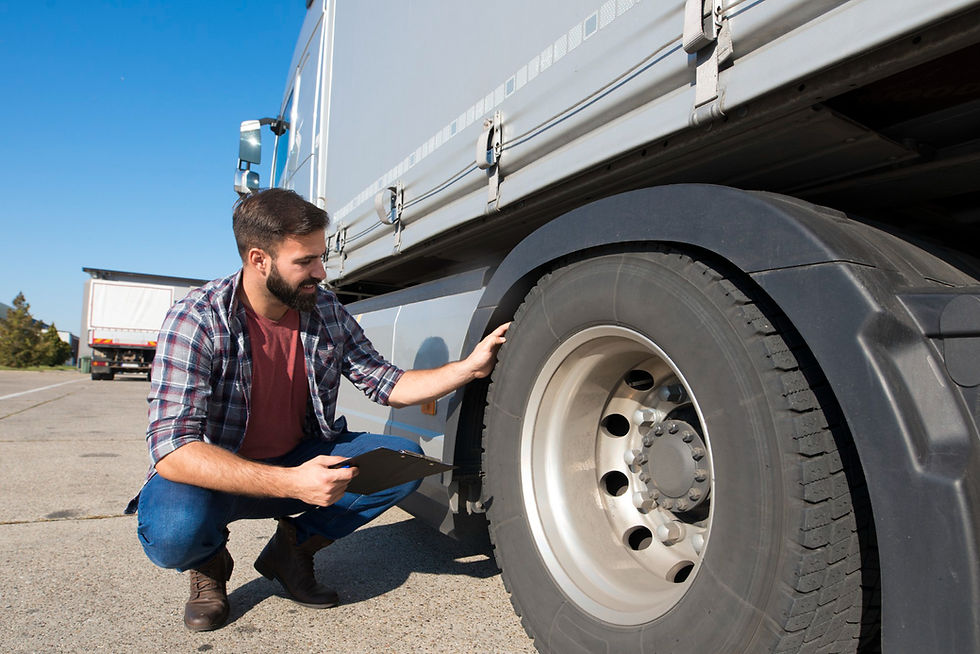
Heat is hard on trailer tires. When you add a loaded boat or a full toy hauler, every mile builds temperature in the rubber and wheels. Some simple checks before you roll out can help keep you off the side of the highway.
Focus on tires and wheels first:
Check tire age and tread depth on all trailer tires and spares
Look for sidewall cracks, dry rot, or bulges
Confirm the tire load rating matches or exceeds your loaded trailer weight
Set cold tire pressure to the right level for a fully loaded trip
Have lug nuts checked and torqued to spec
Underinflated tires flex more and run hotter, which makes summer blowouts more likely. A quick air pressure check when the tires are cold can prevent a very long day later.
Next, pay attention to bearings, hubs, and suspension. Long hot drives can cook old grease and stress worn parts. It helps to:
Have wheel bearings inspected, cleaned, and repacked as needed
Listen and feel for play, grinding, or roughness at each hub
Check for grease leaks around caps or seals
Inspect leaf springs, shackles, bushings, and U-bolts for rust, cracks, or sagging
If you hear a hum or feel heat around a hub after a short drive, that can be a warning sign you should not ignore.
Lights and wiring also matter for safe summer towing. Afternoon storms, road salt left from winter, and splash from wet ramps all attack wiring over time. Before each big trip, it is smart to:
Test brake lights, turns, running lights, and license plate lights with a helper
Inspect 4-way or 7-way plugs for corrosion or loose pins
Check grounds for rust, loose bolts, or flaky connections
Secure loose wiring so it does not rub on the frame or drag
Good lights help other drivers see your trailer in heavy rain, dawn fog, or after dark on the way home from the marina.
Smart Safety Upgrades for Boat and Toy Haulers
If you tow a boat, jet skis, or toy hauler, you are often pulling extra weight on busy roads. Strong, well-tuned brakes make a big difference when traffic on I-95 or I-495 suddenly slows.
For trailer brakes and control, think about:
Confirming surge or electric brakes are working on every axle
Testing the breakaway system and battery so it can stop the trailer if it separates
Having the brake controller in the tow vehicle set to match your trailer weight
Trying a few test stops at low speed to fine-tune the gain and feel
Good brake control is especially important on hilly roads leading to boat ramps or campgrounds, where slow curves and sharp grades can catch people off guard.
Your hitch, coupler, and load hardware are your only link between the tow vehicle and the trailer. They deserve a close look. A professional can:
Inspect receiver hitches, weight ratings, and mounting points
Check couplers for smooth latch action and full engagement on the ball
Look over safety chains, hooks, winches, and tongue jacks for cracks or rust
Confirm the ball size and rating match the trailer coupler
Check your transom straps and tie-downs so the load stays put
Stability and sway control are also key. Too little tongue weight, poor axle placement, or a badly balanced load can cause sway when a truck passes or a crosswind hits. A solid setup usually aims for tongue weight around 10 to 15 percent of total trailer weight. For larger boat trailers and toy haulers, weight-distribution hitches and sway control setups are worth discussing with a pro.
Trailer Inspection in PG County: What to Expect
Maryland has rules about when trailers need a state inspection to be legal on the road. Boat haulers and utility trailers often fall into the group that must pass a state inspection before they can be tagged and used. Summer is a smart time to handle a trailer inspection in PG County, especially if you are planning big July or August trips.
A thorough inspection covers the parts that matter most for safety, like:
Brakes, tires, wheels, and wheel bearings
Suspension pieces, frame, and coupler condition
Safety chains and any locking hardware
Lights, reflectors, and wiring
VIN plate and registration details
Catching a worn tire, cracked spring, or weak coupler at inspection time is far better than discovering it when you are stuck on the shoulder with a full load and family waiting.
At MD Inspections, we perform certified Maryland state inspections in Suitland and can also handle many repair and upgrade needs on the same visit when possible. That way, you can take care of both the inspection and most needed work without bouncing between shops.
Luxury, Exotic, and EV Tow Vehicles: Extra Care Tips
Luxury and exotic vehicles used as tow rigs need a little extra planning. Low ground clearance, larger wheels with thin tires, and high-performance brakes all change how the tow setup should be done. A quality hitch, professionally matched to the car, helps prevent scraping the rear bumper or bottoming out at ramps and driveways.
When towing with these vehicles, it is also smart to:
Watch engine and transmission temperatures on long pulls
Give the driveline time to cool during fuel or rest stops
Keep an eye out for any odd noises, smells, or warning lights
Electric vehicles and hybrids bring a different set of questions. Towing can shorten driving range, and summer heat adds even more load to the battery and cooling system. Before towing, it helps to:
Confirm the tow rating for your specific EV or hybrid
Learn how towing affects range and power modes
Plan charging stops that are trailer friendly
Precondition the battery when possible before long hot drives
No matter what you tow with, brake, cooling, and suspension checks are smart. High-temp brake fluid or pads, where appropriate, can help brakes keep their feel on long downhill grades. Clean radiators, coolers, and fans help engines and transmissions stay in a safe temperature range. On SUVs and trucks that pull heavy boats and trailers, add-ons like helper springs or air suspension setups can improve stability, steering feel, and comfort.
Build Your Summer Highway Survival Plan Now
A simple pre-trip checklist can save you stress later. Before every big July or August highway run, give yourself about a week to work through basics like:
Tire condition and cold pressure on tow vehicle and trailer
Lug nut torque and wheel inspection
Bearings, hubs, and brake function
All trailer lights and wiring
Hitch, coupler, chains, jacks, and tie-downs
Registration, insurance, and inspection documents
Planning your professional prep early in the season means you are not rushing the day before a holiday weekend. MD Inspections can help PG County drivers with a full trailer inspection and a careful look at tow vehicles, from everyday trucks to luxury, exotic, and electric models. A single thorough visit can set you up for safer, smoother trips to marinas, lakes, and beaches all summer, keeping your family, your boat, and your trailer ready for the highway.
Schedule Your PG County Trailer Inspection With Confidence
If you are ready to keep your trailer safe, legal, and on the road, we are here to help every step of the way. At MD Inspections, our certified technicians make the inspection process straightforward, efficient, and thorough so you can get back to work or travel without delays. Book your trailer inspection in PG County today and let us handle the details with professional care.


Comments